اخبار ویژه
 سهمیههای جدید اتحادیه اروپا، فولادسازان ترکیه را به بازارهای نزدیکتر سوق میدهد
صادرات فولاد ایران در ۱۰ ماه از ۶.۵ میلیارد دلار عبور کرد
بازنگری دولت ترامپ در تعرفههای فولاد و آلومینیوم؛ احتمال معافیت برخی محصولات
قیمتهای صادراتی فولاد ایران در هفته منتهی به ۲۴ بهمن ۱۴۰۴
بازار آهن اسیر جو روانی یا واقعیت اقتصادی
سهمیههای جدید اتحادیه اروپا، فولادسازان ترکیه را به بازارهای نزدیکتر سوق میدهد
صادرات فولاد ایران در ۱۰ ماه از ۶.۵ میلیارد دلار عبور کرد
بازنگری دولت ترامپ در تعرفههای فولاد و آلومینیوم؛ احتمال معافیت برخی محصولات
قیمتهای صادراتی فولاد ایران در هفته منتهی به ۲۴ بهمن ۱۴۰۴
بازار آهن اسیر جو روانی یا واقعیت اقتصادی
China | صفحه ۷ از ۲۲ | آرتان پرس

جنگ قیمتها در صنعت فولاد چین: ضایعات فولادی در آستانه رکوردشکنی!
قیمت ضایعات فولادی در چین به ۲۴۱۷.۹ یوان در هر تن رسید و تقاضای فولادسازان افزایش یافت. تولیدکنندگان پس از توقفهای تعمیراتی به فعالیت خود ادامه دادند و بهرهبرداری از ظرفیت به ۳۹.۶۷ درصد رسید. با این حال، موجودی ضایعات فولاد به ۴.۸ میلیون تن کاهش یافته که نیاز کارخانهها را به مدت ۹.۲ روز تأمین میکند.
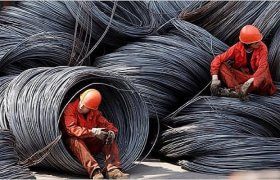



Coking coal imports in China dip further in May
China imported 3.41 million tonnes of coking coal in May 2021, down 30% from the corresponding period last year and down 2% month on month, the latest data from China Customs showed.

CHINA HRC: Domestic prices extend losses following futures slump
Hot-rolled coil prices across China’s domestic market continued to move lower on Tuesday June 22, while futures prices extended their decline, sources said.

IRON ORE DAILY: Prices rebound amid potential easing of Tangshan blast furnace restrictions
Iron ore prices rose on Tuesday June 22, and there was market chatter about the potential resumption of blast furnace operations and the easing of emissions restrictions in Tangshan, sources told Fastmarkets.

Chinese government involvement in iron ore and coal market
In recent days, the Chinese government has decided to orderly control the price of iron ore and coal in its domestic market. The Chinese policymaker argues that prices have risen irrationally, but the reality seems to be something beyond that. Despite the reduction in prices, this has reduced the profit margins of steelmakers and led to a relative recession in the market.

CHINA STEEL SCRAP: Former Chinese Academy of Engineering president encourages scrap use
Mr Xu Kuangdi, the former president of the Chinese Academy of Engineering, said at a symposium on Monday June 21 that using scrap in steelmaking would be an “effective and realistic” way for China to achieve carbon neutrality in the steel sector and it should be “strongly encouraged” nationwide, sources said.

CHINA REBAR: Some construction sites suspend work ahead of party centennial
China’s domestic rebar prices fell sharply on Monday June 21 amid weaker demand and declining iron ore futures.

Slight slope of falling steel prices
The new week in global markets was accompanied by a drop in steel prices in many steel bases. The main reason for the decline in steel prices in international exchanges should be attributed to China's control behavior. Continuation of this trend along with the strengthening of the dollar will cause the global steel market to fall into a temporary slump in transactions.
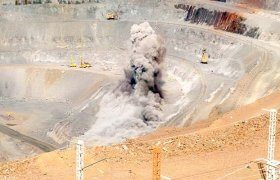
China’s decisions to change approach of commodity economy
China, meanwhile, is working hard to reduce its dependence on imported goods. It seems that China is looking to shrink its commodity policy body. This will bring short-term risk to investors. But the government has planned to liberalize government shares for this issue.

CHINA REBAR: Destocking demand causes downward pressure on prices
China’s domestic rebar prices continued to fall on Wednesday June 16 due to sellers looking to destock.

CHINA REBAR: Mixed outlook weighs on trading activity, prices
China’s domestic rebar prices retreated on Tuesday June 15 amid lower transaction volumes as a result of a mixed outlook for supply and demand.